
海鷗古琴超薄自動陀飛輪腕錶

Only 10 handcrafted pieces in the first batch. Just 3 left — the next drop won’t arrive until next month.
Limited Edirion. 50 Pics Only.


Description
The Art of Single-Button Chronograph Engineering
「沒有其紋理,古琴不過是無生之土。」受此古老智慧啟發,海鷗超薄陀飛輪腕表在每一處細節中捕捉古琴的靈魂。錶盤展現細膩的龜裂紋理,喚起數世紀的文化共鳴;雕刻的時標則呼應著著名「九天共鳴」古琴的優雅曲線。錶殼僅 9.4 毫米厚,將優雅與克制完美融合,兼具技術精湛與詩意微妙。這不僅是一枚時計,更是過去與現在的交會——古琴弦音的低語、持久典雅的象徵,以及對東方永恆精神的致敬。
Movement
SW510M Hand-Wound Mechanical
Case Material
316L Stainless Steel
Case Diameter
40 mm
Case Thickness
13.1 mm (11.7 mm excluding crystal)
Lug-to-Lug
47.5 mm
Crystal
Sapphire Crystal
Strap Width
20 mm
Water Resistance
3 ATM / 30 metres
Functions
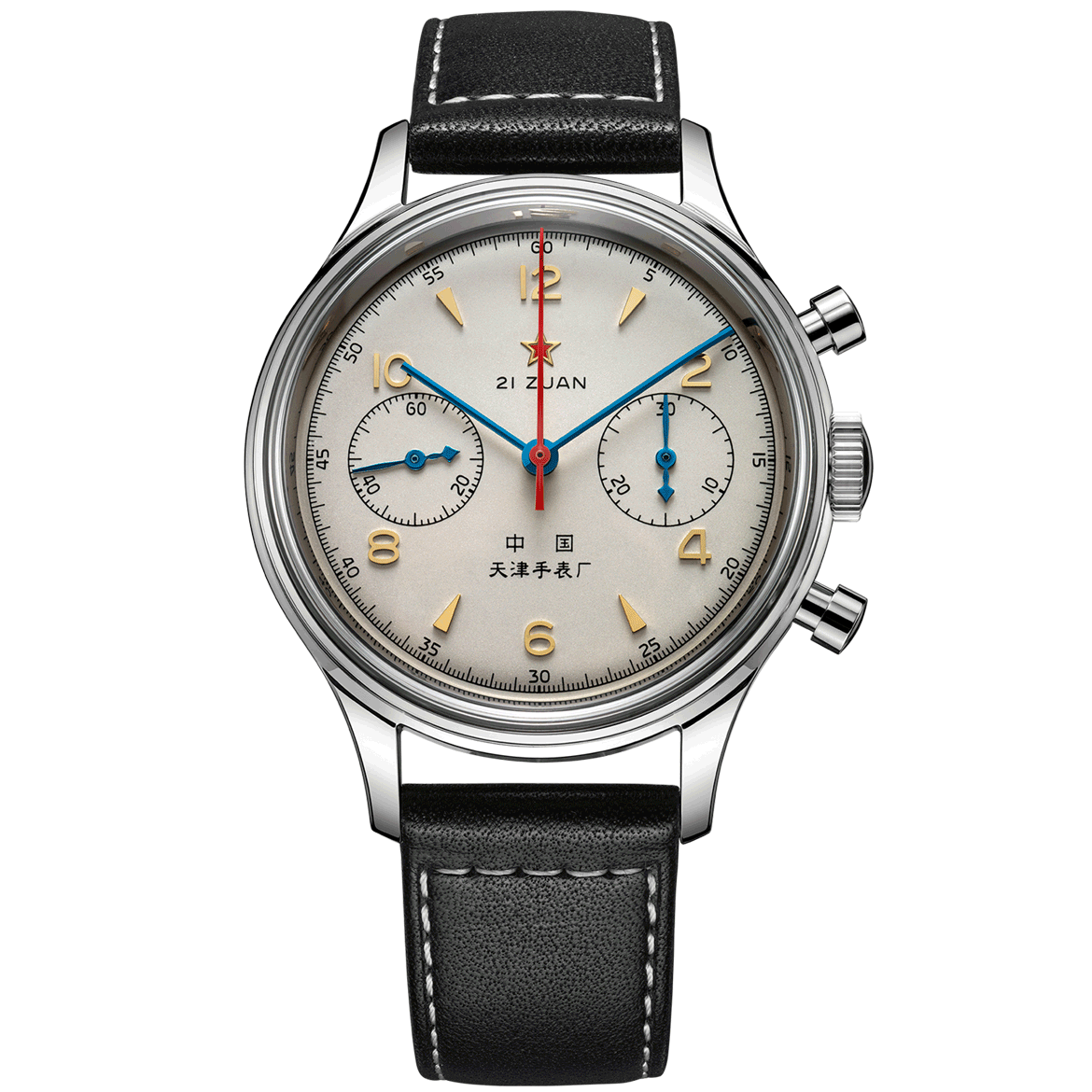
Monopusher Chronograph
Strap: Brown leather
Display: Hours, minutes, small seconds and chronograph indications
What is Monopusher Chronograph?
The monopusher chronograph represents one of the earliest approaches to wristwatch chronograph design. As mechanical timekeeping evolved in the early twentieth century, watchmakers adapted stopwatch mechanisms for the wrist, with early wristwatch chronographs using a single control to operate the timing functions.
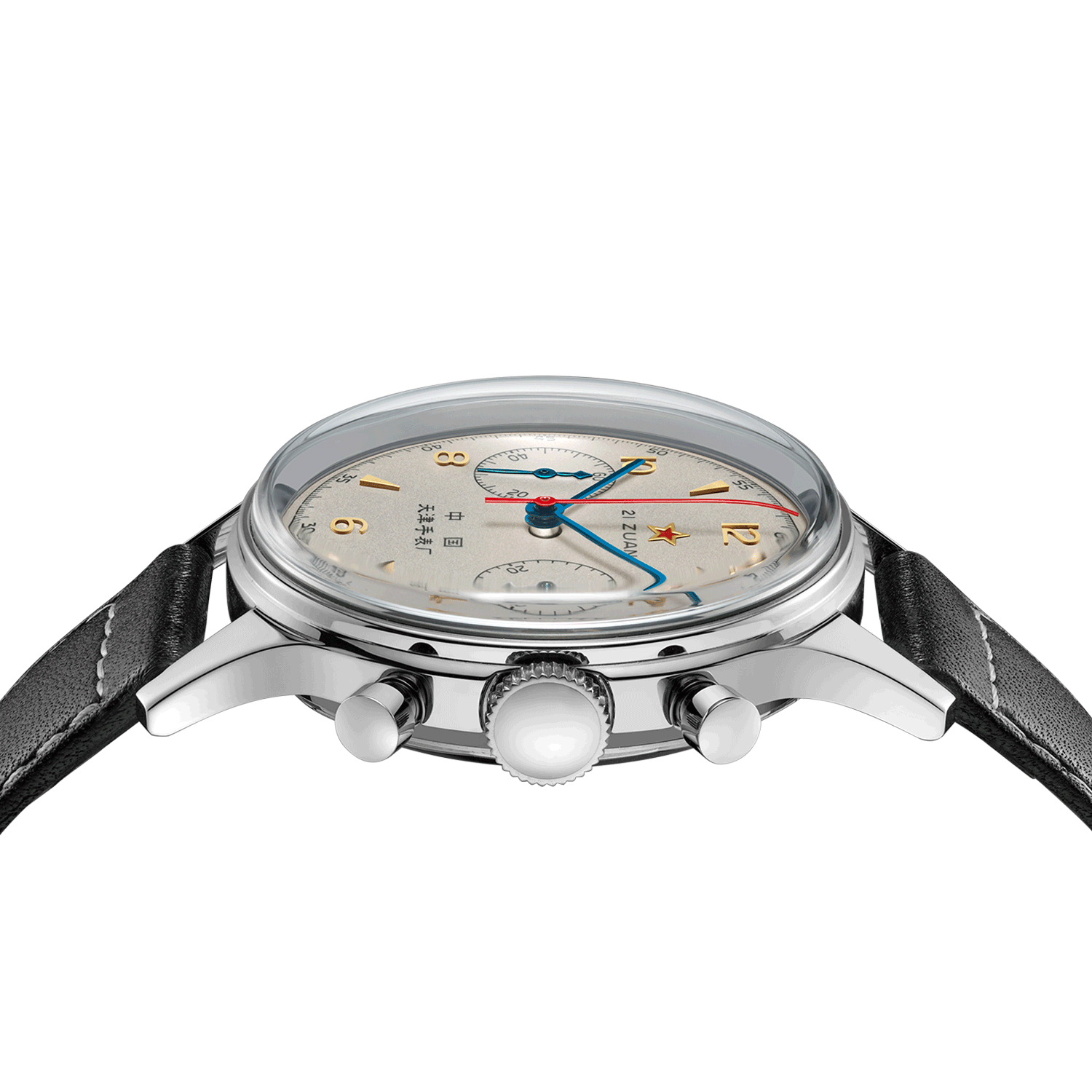
Unlike conventional chronographs with separate start/stop and reset pushers, a monopusher uses one button to control the chronograph in a fixed sequence: start, stop, and reset. This streamlined arrangement preserves the spirit of early chronograph engineering while creating a more restrained, harmonious case design.

A Landmark in Chinese Chronograph Watchmaking
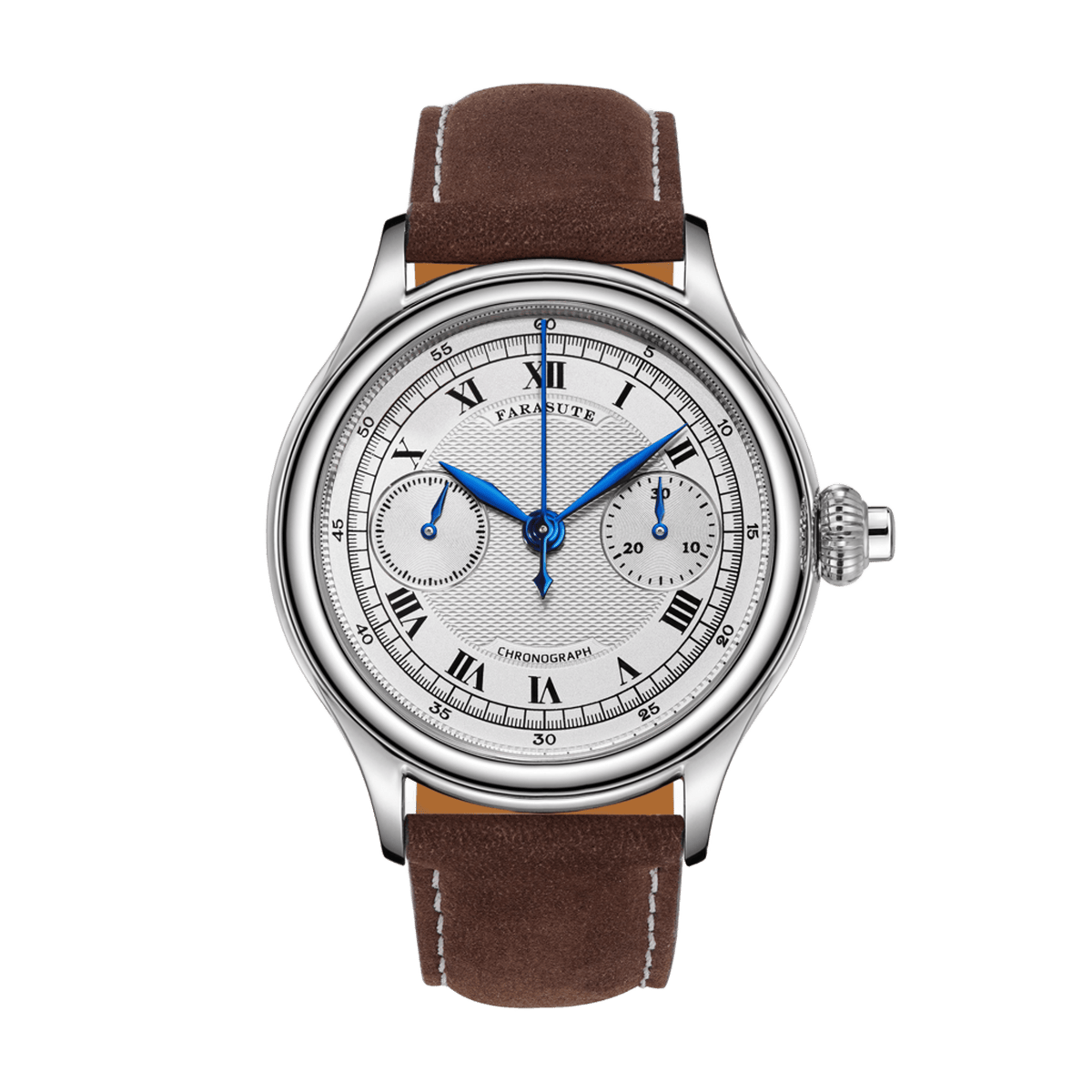
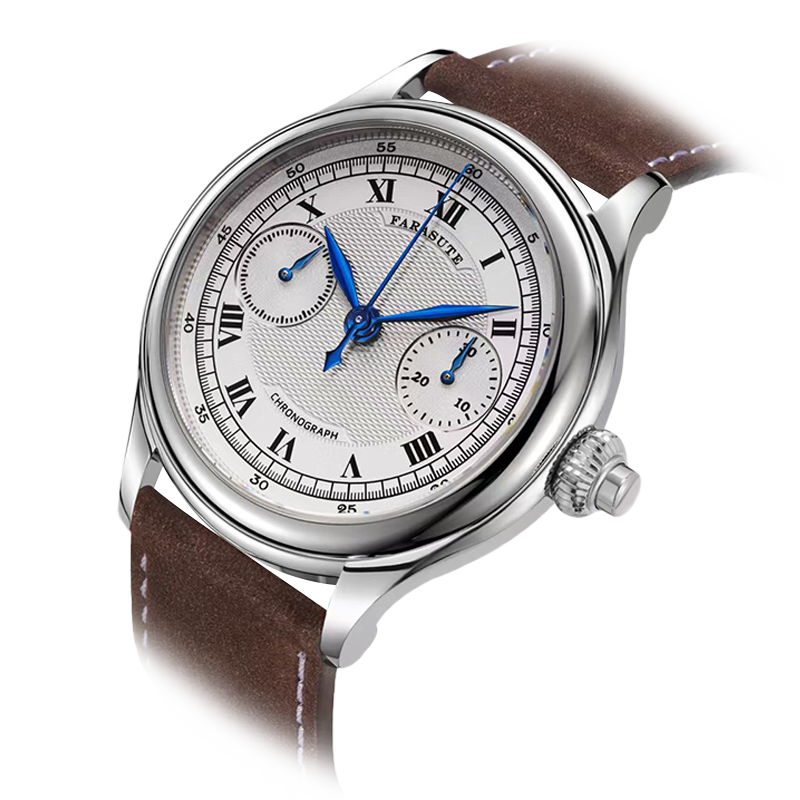
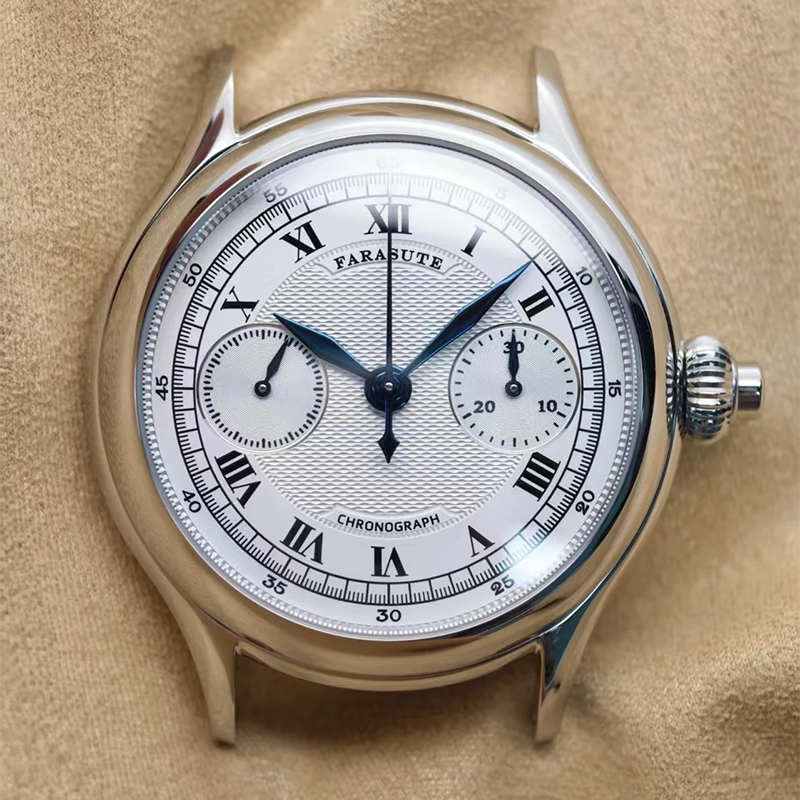
The FARASUTE 5318K is presented as China's first monopusher chronograph, bringing a historically significant complication into a distinctive Chinese watchmaking context. More than a timekeeping instrument, it reflects an ambition to contribute to the evolution of mechanical horology through technical distinction, classical aesthetics, and a renewed appreciation for traditional watchmaking.
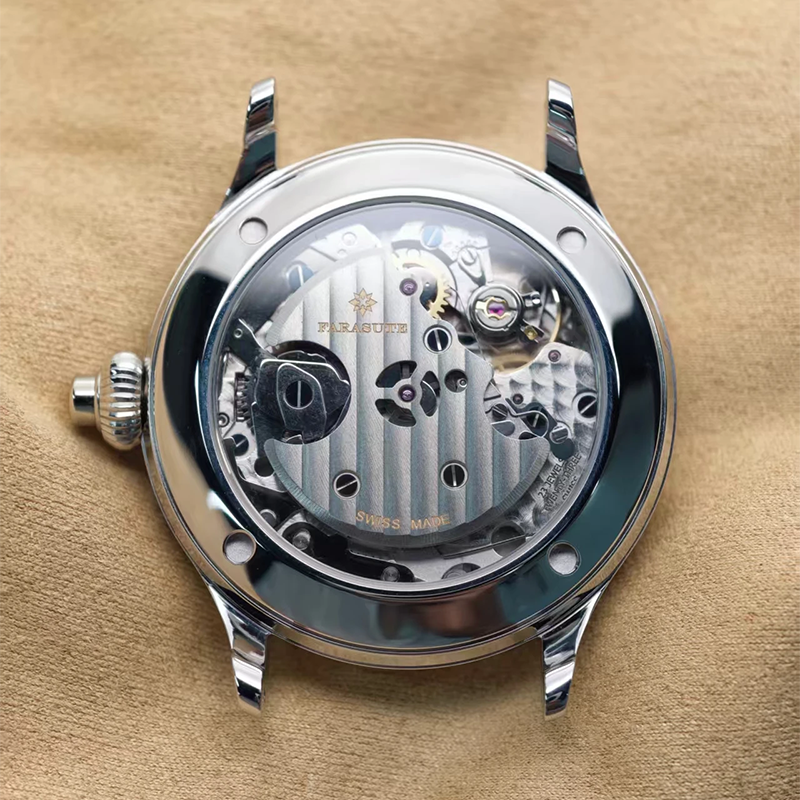
SW510M Hand-Wound Mechanical Movement
At the heart of the 5318K lies the SW510M hand-wound mechanical movement, bringing the traditional ritual of winding into everyday ownership. Its manually powered architecture invites a more personal relationship with the watch, allowing the wearer to engage directly with the mechanics behind each passing second and every measured interval.
Classical Dial, Distinctive Blue Hands
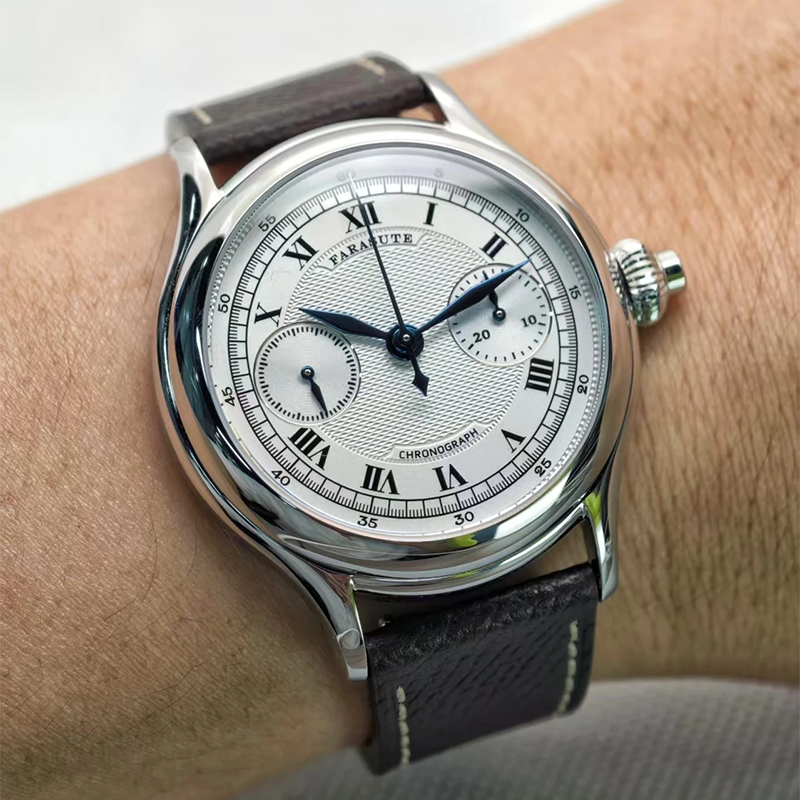
Designed with a distinctive lugless titanium case and hidden crown, the Manman Panda transitions effortlessly between wristwatch and pendant. Its versatile design offers a fresh perspective on personal adornment, allowing the artistry of Chinese heritage to be worn in different ways, whether as a daily statement or a treasured collectible.A finely textured silver dial provides an elegant backdrop for black Roman numerals and vivid blued hands. Two recessed subdials lend the composition depth and balance, while the precise outer timing scale reinforces its chronograph identity. Every detail contributes to a refined aesthetic inspired by the enduring language of classical mechanical watches.
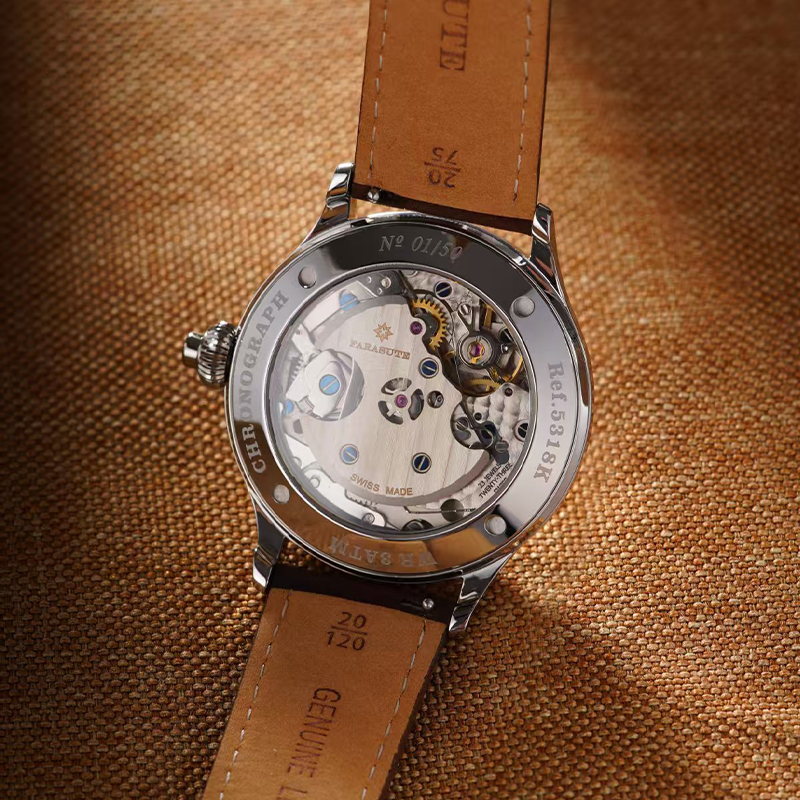
Refined Proportions and Enduring Materials
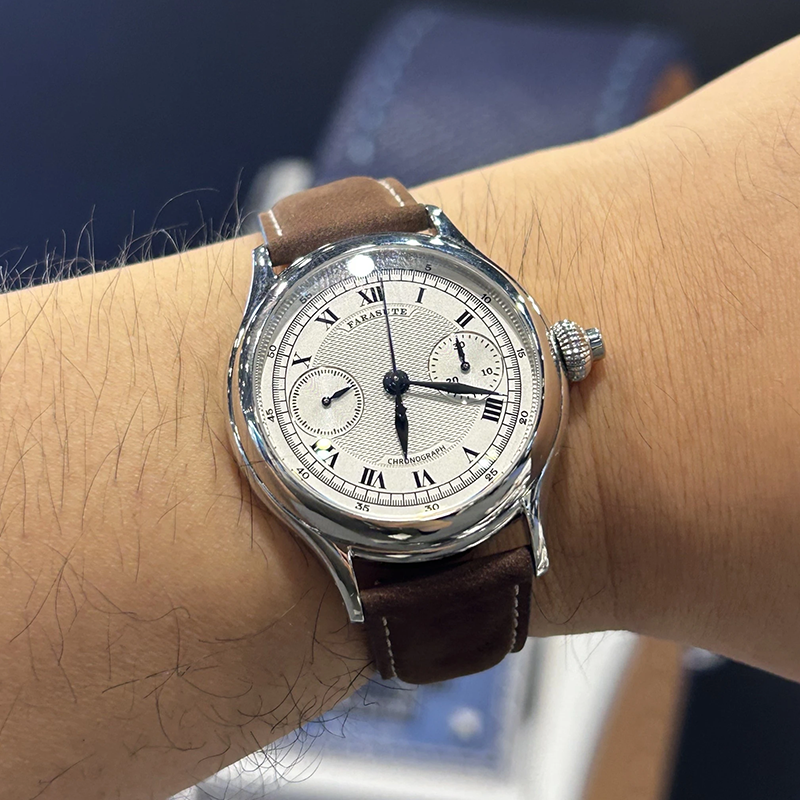
Crafted from 316L stainless steel, the 40mm case combines a traditional rounded silhouette with versatile proportions. Its 47.5mm lug-to-lug measurement and 20mm strap width create a balanced profile, while the sapphire crystal offers scratch resistance for everyday wear. A brown leather strap completes the composition with understated warmth.
Blog posts
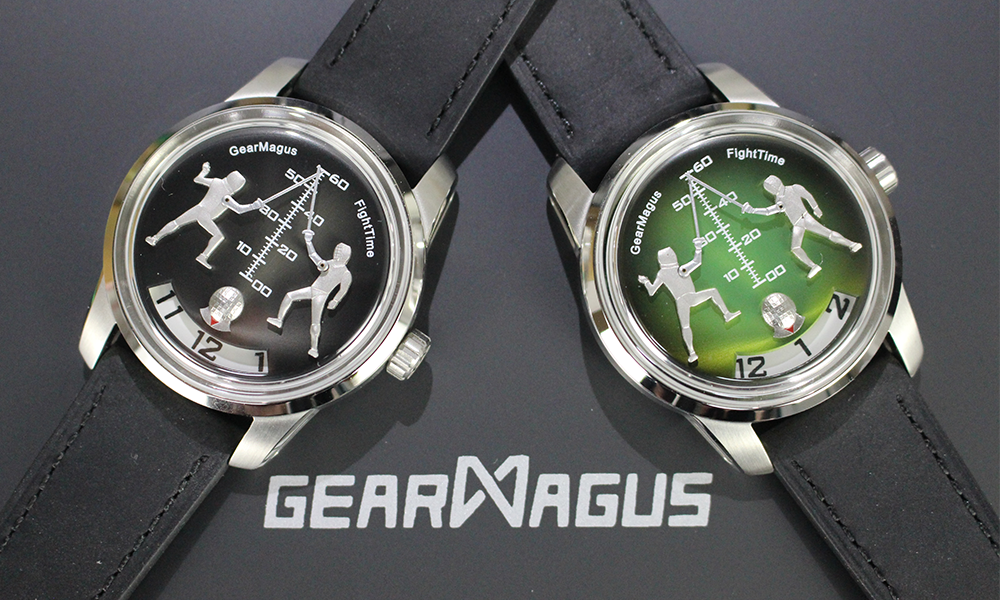
When Two Fencers Turn Time Into a Duel: A Hands-On Review on GearMagus MS06 Fight Time
A mechanical duel on the wrist, where every minute is a move and every hour ends in a decisive strike. In a watch industry where countless new releases compete through familiar complications, vint...
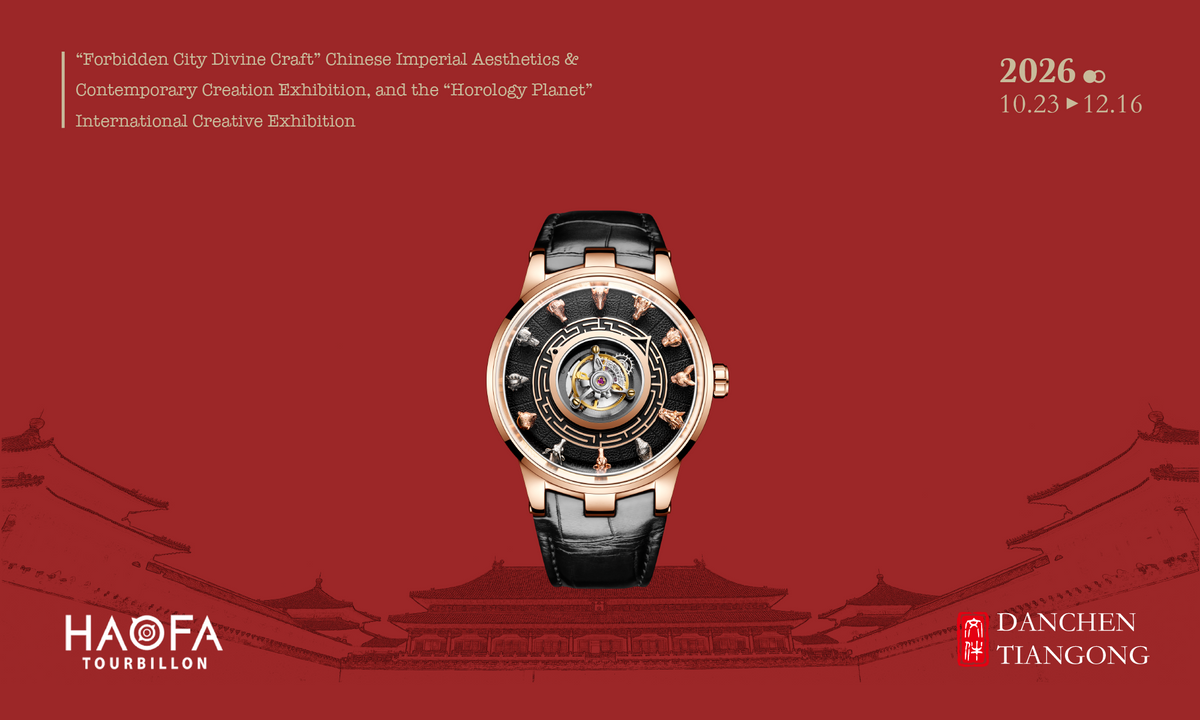
Forbidden City Divine Craft | HAOFA: A Living Tribute to China's Cultural Heritage
Horology Planet Exhibition Series — 23 Founded in Guangzhou in 1997, HAOFA Tourbillon has built its identity around mechanical watchmaking, with a particular focus on tourbillons and contemporary t...
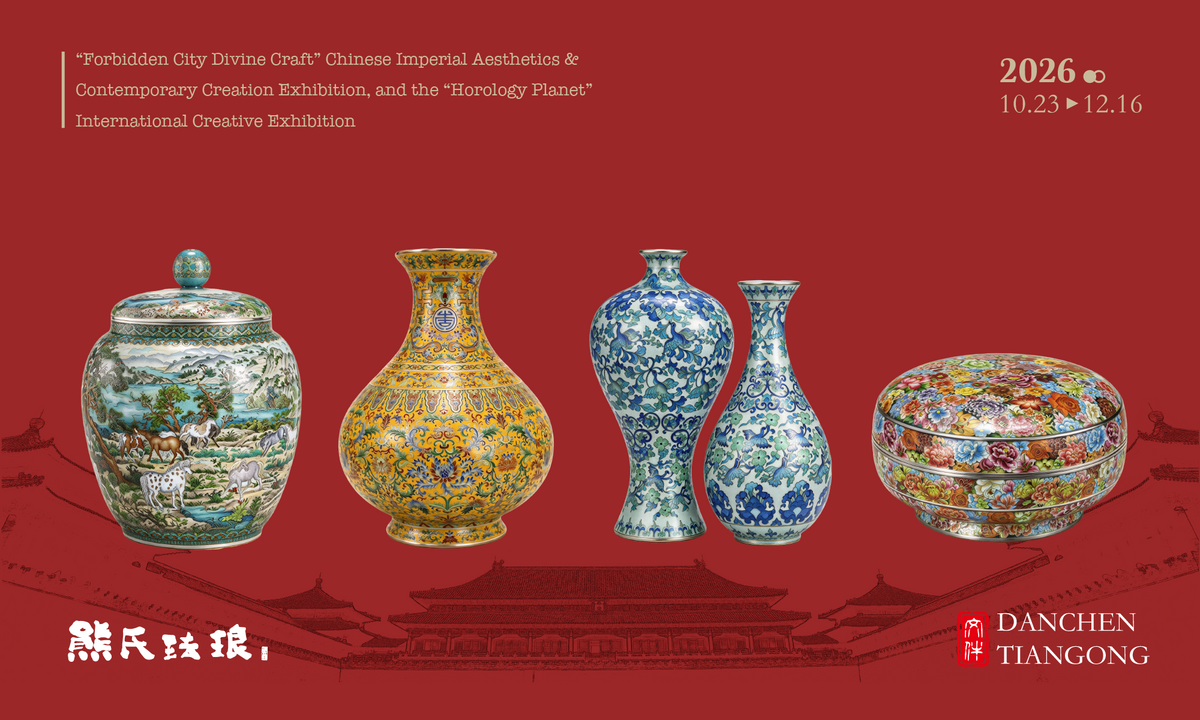
Forbidden City Divine Craft | Xiong’s Enamel: The Art of Imperial Enamelling Reimagined
Horology Planet Exhibition Series — 22The history of Xiong’s Enamel can be traced to the enamel-making traditions of the late Qing dynasty and the craftsmanship associated with the imperial worksho...
You may also like