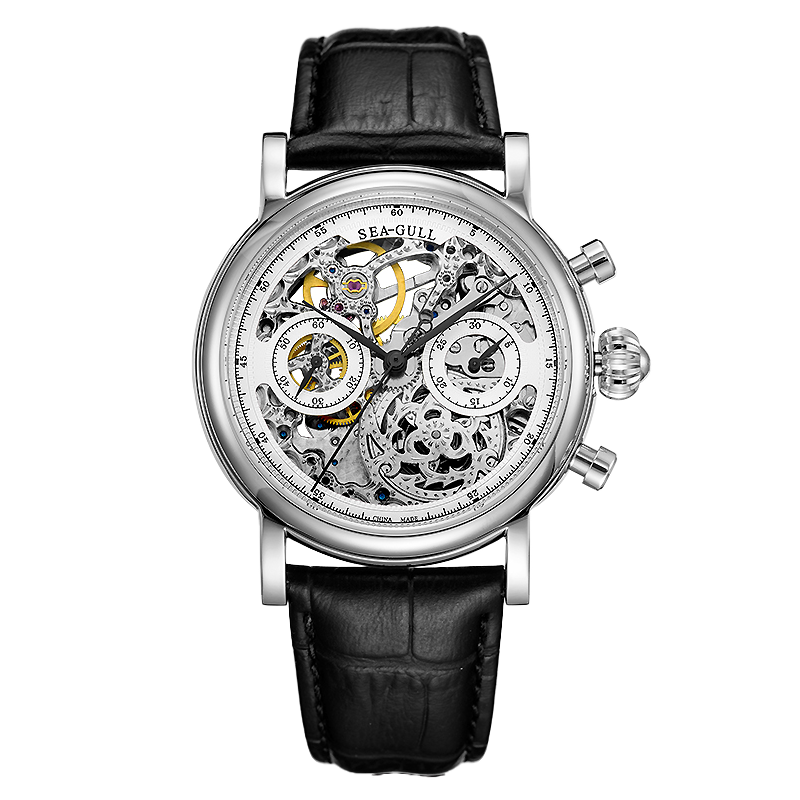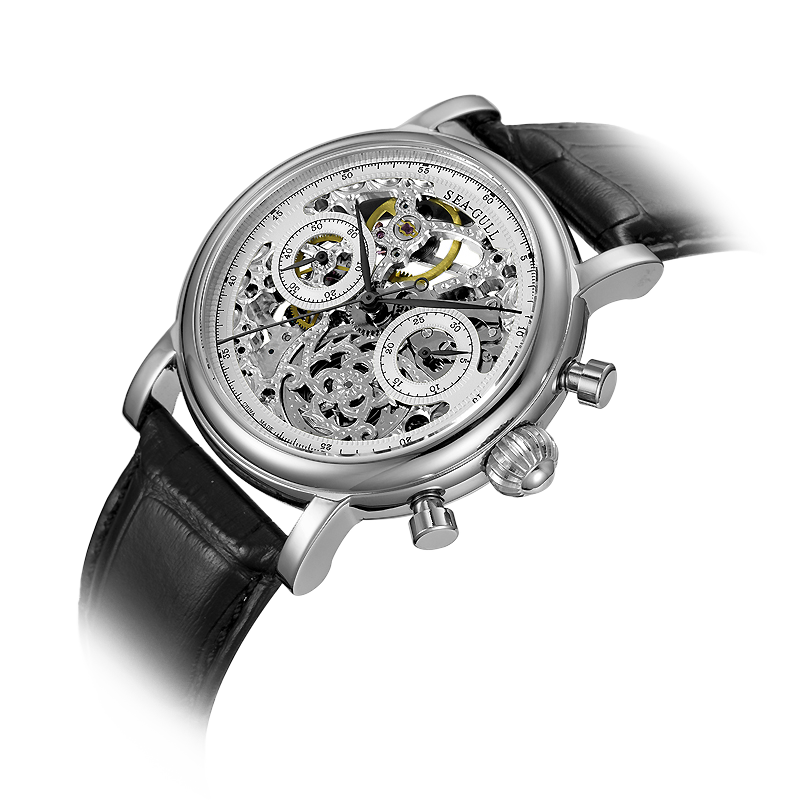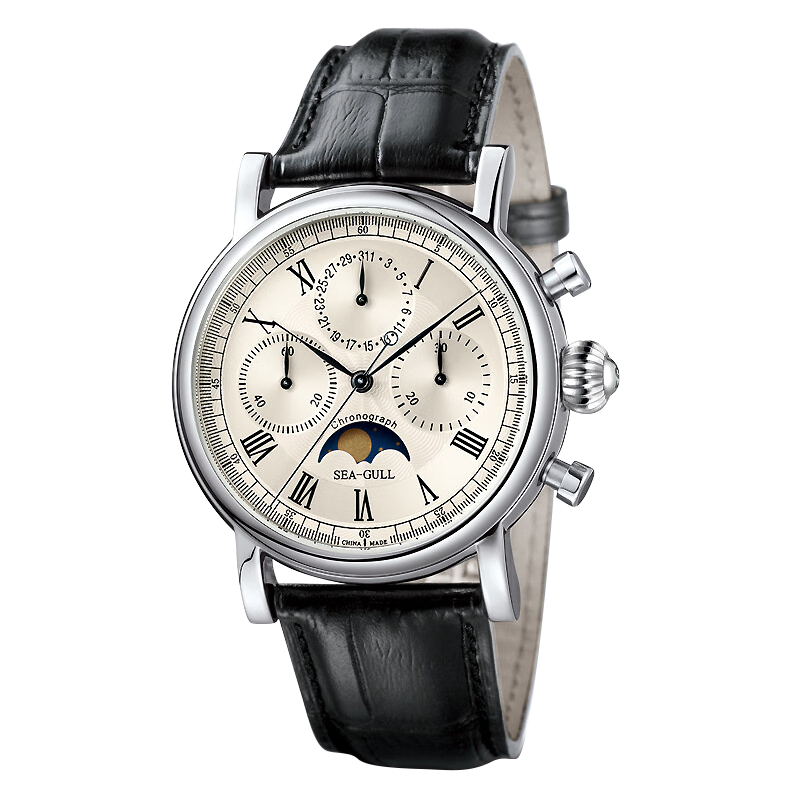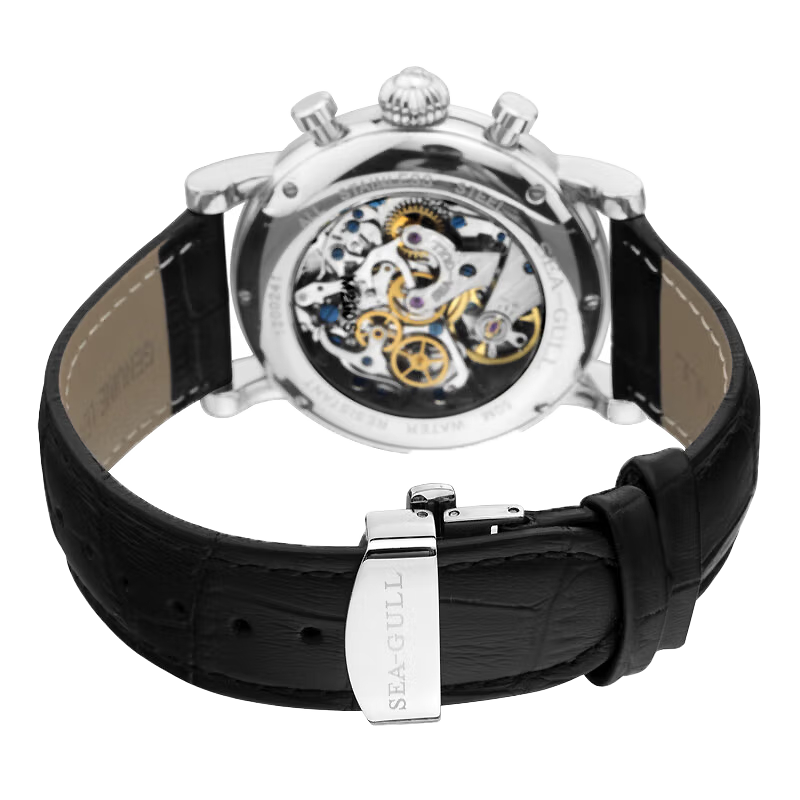

"The ultimate endgame for global luxury lies in the strategic rivalry of cultural value. When a global collector acquires a high-end Chinese timepiece not because it is 'cheaper than a Swiss watch,' but because it 'offers an Eastern spirit and perspective that the West cannot replicate,' Chinese fine watchmaking will have truly broken through."
Prologue: Breaking a Century of Silence — A New Manifesto for Eastern Horology
In September 2004, at the Imperial Ancestral Temple (Taimiao) in Beijing, the Richemont Group hosted the globally acclaimed "Clockwork Wonders" exhibition, bringing centuries of European fine watchmaking history and techniques directly into the cultural heart of China. That landmark event inaugurated a 20-year golden era for Swiss watchmaking in the Chinese market.
Exactly 22 years have passed.
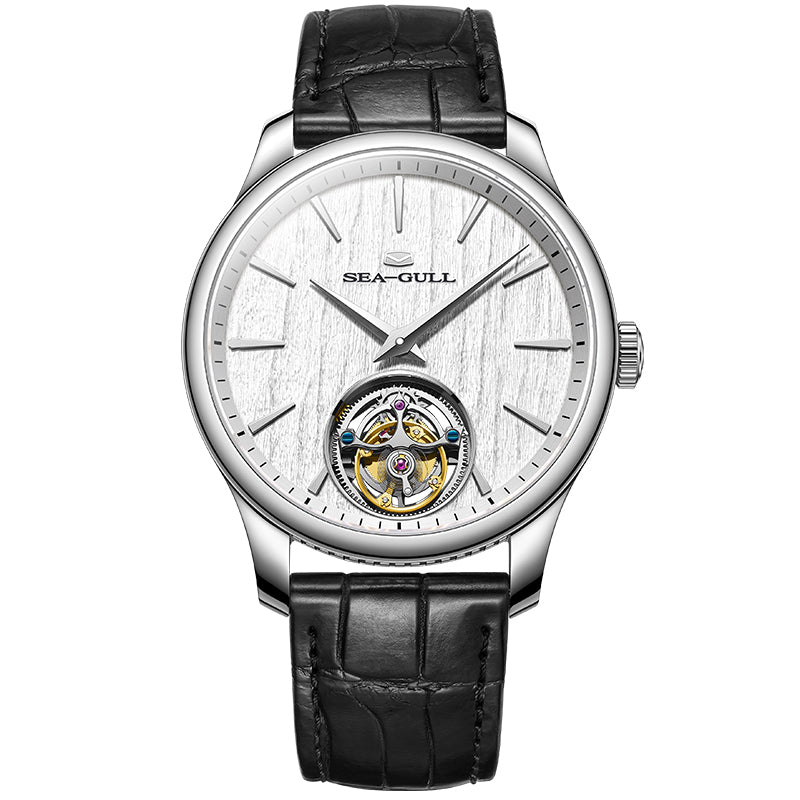
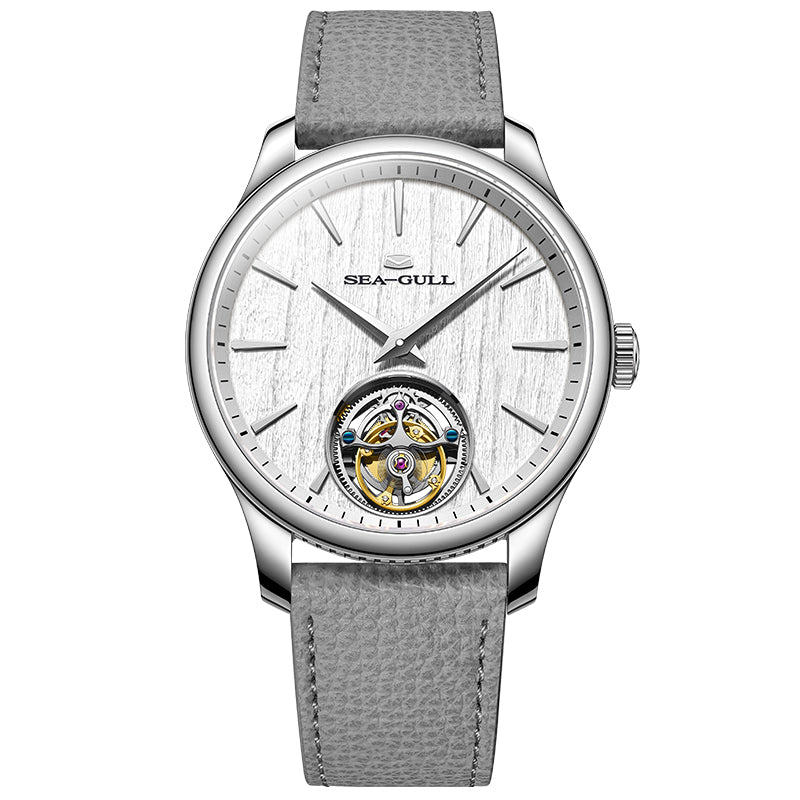
Over these 22 years, China’s manufacturing supply chain and precision engineering capabilities have undergone a monumental leap, establishing a solid foundation in complex mechanical structures and exterior finishing. Chinese watchmakers have surmounted key hurdles in complicated movements, tourbillon architectures, and foundational hand-finishing. Yet, looking at Beijing—a deeply historical horological hub since Matteo Ricci presented striking clocks in the Ming dynasty and the Qing Imperial Workshops established the "Clock Office" (Zuozhongchu)—the city has not hosted a single museum-grade horological event created by Chinese creators that embodies authentic Eastern cultural confidence.
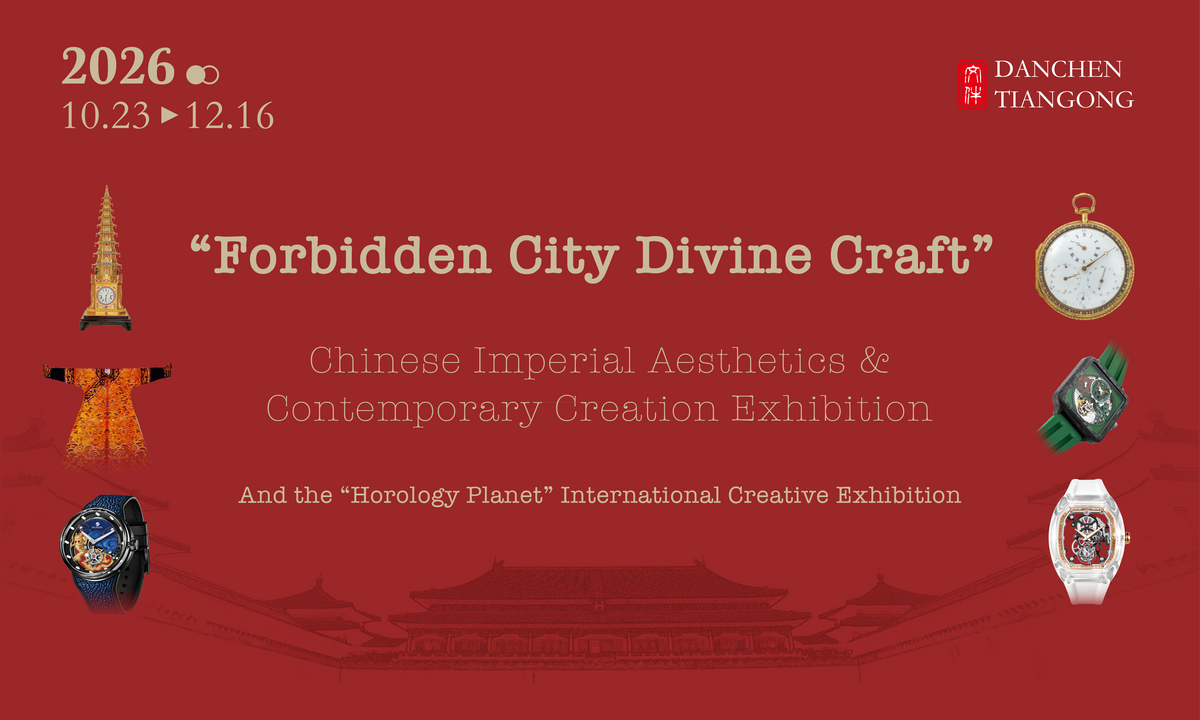
On October 23, organized by the National Base for International Cultural Trade (Beijing), the inaugural "Forbidden City Divine Craft" Chinese Imperial Aesthetics & Contemporary Creation Exhibition, and the "Horology Planet" International Creative Exhibition, will officially open. This event brings together academic authorities, industry leaders, and collectors from Beijing and across Northern China.
Why are we hosting a museum-grade horological exhibition here and now?
This is not merely an exhibition preview; it is a manifesto addressed to historical classical industries, industry peers, contemporary creators, and global collectors alike.
Professor Du Hao, Chief Planner & Curator: Awakening Historical Classics Through Imperial Aesthetics to Reconstruct an Independent Chinese Aesthetic System

"Imperial crafts represent the pinnacle of historical classical industries. They synthesize thousands of years of Chinese cultural lineage and exquisite craftsmanship, defining a unique Chinese aesthetic character and cultural value."
— Prof. Du Hao (Pioneer of the "Forbidden City Cultural Sphere" concept and Lead Expert of the Palace Museum Open Research Project)
Standing within the context of contemporary cross-civilization dialogue, the core mission of this exhibition is to achieve a modern translation of traditional imperial crafts, awaken the intrinsic vitality of historical classical industries, and explore strategic pathways for cultural exports—allowing imperial creations imbued with Eastern spirit to become living carriers of China's independent knowledge and aesthetic systems.
China historically developed its own independent horological and timekeeping knowledge system. In the governance framework of ancient Chinese emperors, time calculation was not only a scientific endeavor to observe celestial phenomena and establish agricultural calendars, but was also deeply integrated into state rituals. The Timekeeper's Pavilion (Shichen Ting) in the Temple of Heaven, structured like a miniature imperial hall, serves as a physical testament to time management within the imperial ritual system. Before the grand Heavenly Sacrifice rituals, officials from the Court of Imperial Sacrifices and the Imperial Astronomical Bureau would present timekeeping reports and request the emperor’s procession. Time-of-sacrifice memorials were placed inside the pavilion and transferred by attendants to the emperor.
The requirements of ritual timekeeping directly spurred the development of precision imperial timepieces. The "Clock Office" within the Qing Imperial Workshops assembled master artisans who actively absorbed watchmaking techniques and aesthetics from Britain and Switzerland without remaining closed off. Their creations served as bridges of civilizational exchange at both technical and artistic levels, marking significant milestones in Sino-Western cultural fusion. Similarly, cloisonné enamel entered China via the Silk Road from the Arab world, and imperial carpet weaving integrated traditions from China, Egypt, India, and Persia. Civilizations thrive through mutual engagement, and crafts evolve through mutual learning.
Through a "museum-grade" curatorial language, we aim to revitalize traditional imperial crafts—including cloisonné enamel, filigree inlay, chasing/engraving, lacquerware, and imperial embroidery—upon modern precision mechanical architectures. This allows imperial creations bearing Eastern philosophy to serve as vibrant carriers for building China's autonomous knowledge and aesthetic frameworks.
Alonzo Tang, Executive Curator: Breaking the "High Quality, Low Price" Trap to Build Hard-Luxury Barriers via National Authority

"After three years of expanding abroad, we clearly saw the 'invisible high wall' standing before high-end Chinese watchmaking: the precision engineering matches to the millimeter, yet it remains difficult to cross the psychological threshold of 'cost-performance.'"
— Alonzo Tang (Founder of Horology Planet and Executive Curator of " Forbidden City Divine Craft")
On the globally renowned watch collector platform WatchUSeek, Alonzo Tang once initiated a discussion thread that sparked widespread international debate: "Is High-End Chinese Watchmaking a Fantasy or an Impending Reality?" Responses from seasoned overseas collectors hit the nail on the head: while technical hurdles in Chinese watchmaking have been overcome, there remains a lack of independent aesthetic identity, long-term brand trust, and deep cultural narrative.
Without cultural depth and historical weight, a brand cannot command legitimate high premiums. Without healthy profit margins, enterprises cannot sustain investment in long-term R&D and meticulous hand-finishing, trapping them in a passive cycle of "high quality, low price." Top European luxury houses all build their legitimacy upon national cultural heritage and institutional authority. Independent private brands must integrate themselves into national-level cultural narratives. According to the global evolution of hard luxury, "museumification" is the essential path for top-tier luxury to establish cultural authority and premium legitimacy.
This exhibition takes place at the National Base for International Cultural Trade (Beijing)—the first special park in China to simultaneously hold dual designations as a "National Base for International Cultural Trade" and a "National Cultural Export Base." We have constructed a three-in-one empowerment structure: "Museum-Grade Exhibition + Private Salons + Horology Planet Awards." Partnering with international jury members from North America, Europe, and the Greater China region, we are building a high-level stage for contemporary Chinese high-end creative objects and independent fine watchmaking, carving out a strategic roadmap for Chinese haute horlogerie to navigate economic cycles.
David Chang, Founder of Timepiece Museum (Shijitang): Overcoming a Century of Shortsighted Narratives to Reclaim a 425-Year History of Sino-Western Integration

"Chinese watch manufacturing is by no means confined to a modern industrial narrative spanning less than a century. It has been exactly 425 years since Western horology entered the Chinese imperial court, and the history of imperial watchmaking spans over three centuries."
— David Chang (Founder of Timepiece Museum / Shijitang, Grand Prix d'Horlogerie de Genève [GPHG] Jury Member)
The integration of the "Forbidden City Divine Craft" exhibition with the horological industry marks the collective rise of China's high-end watchmaking community and reflects the necessary deep involvement of intellectual elites and academic forces in the Chinese watch industry.
An industry supported by tens of thousands of skilled craftspeople cannot remain focused solely on manufacturing. Only through the seamless integration of craftsmanship (Jiang Xin) and cultural mind spirit (Wen Xin) can high-end Chinese brands achieve sustainable, long-term growth.
Introducing the "Forbidden City Cultural Sphere" framework systematically recontextualizes the 425-year history of Western horology in China, offering an exceptionally rich historical foundation for Chinese domestic watchmaking. As the origin of the Forbidden City cultural sphere, Beijing stands as the premiere platform for Chinese high-end watchmaking to speak to the world.
A elevated standing naturally carries its voice far.
True "high-end" status is not merely a leap in technical quality, but a confidence in positioning and valuation. Moving beyond the historical logic of low-cost imitation—transitioning from manufacturing to market positioning, and from consumer goods to cultural assets—requires building a megaphone at the cultural epicenter. This is the necessary pathway for Chinese high-end watchmaking to reach the global stage.
To Our Exhibitors & Collectors: Why " Forbidden City Divine Craft" Is Fundamentally Different
Many collectors and exhibitors in China and abroad have asked about the core distinction and unique value proposition of this event.
In short: this is not a traditional commercial trade fair focused on supply chain matching, OEM contracting, or high-volume wholesale. It is a high-specification, collector-oriented special exhibition showcasing imperial aesthetics and contemporary bespoke creations.
Leveraging the unique environment of a national-level artistic bonded park, there is no noisy commercial marketplace atmosphere here—only thoughtfully curated artistic heritage. The exhibition deeply integrates thousands of years of Eastern imperial aesthetic legacy and rare imperial micro-crafts with modern complex mechanical watchmaking, endowing every single creation with high cultural value and legitimacy.
This is more than an exhibition; it is an intellectual gathering featuring cultural scholars, independent watchmakers, researchers of imperial aesthetics, and high-net-worth collectors. Collectors who come here are not seeking mass-produced industrial consumer goods, but rather unique piece (pièce unique) and limited-edition masterpieces possessing profound cultural lineage, extreme craftsmanship value, and generational heirloom potential. Here, visitors will observe not just the ticking of time, but the ultimate manifestation of Eastern aesthetics expressed upon modern complex mechanical movements.
Time Will Prove Everything — And We Are Recording Time
Just as the "Clockwork Wonders" exhibition at the Imperial Ancestral Temple opened the Chinese market for Western brands two decades ago, today’s "Dan Chen Tian Gong" and "Horology Planet" aim to build a bridge connecting domestic high-end watchmakers and independent artisans to the mainstream global horological world.
For a single watchmaker or brand, organizing an event of this scale might be an overwhelming endeavor. However, when academic authority, national-level platforms, international jury members, and high-net-worth collectors converge, a cultural, value-added path toward global recognition is paved.
This may be a grand vision, but it is a path that someone must pioneer.
Visitor & Conference Information
- Exhibition Title: " Forbidden City Divine Craft" Chinese Imperial Aesthetics & Contemporary Creation Exhibition & "Horology Planet" International Creative Exhibition
- Opening Date: October 23, 2026
- Exhibition Period: October 23, 2026 – December 16, 2026
- Venue: 3rd Floor Art Space, Building D7, National Foreign Cultural Trade Base (Beijing), No. 3 Jinhang East Road, Shunyi District, Beijing
- Organizer: National Foreign Cultural Trade Base (Beijing)
- Academic Support: The Palace Museum Qing Dynasty Imperial Craftsmanship Heritage Case Study Research Group, Timepiece Museum (Shijitang)
We cordially invite every watch enthusiast, collector, and friend who cares about Eastern aesthetics and the future of Chinese watchmaking to join us in Beijing and witness this historic convergence of horology and culture.